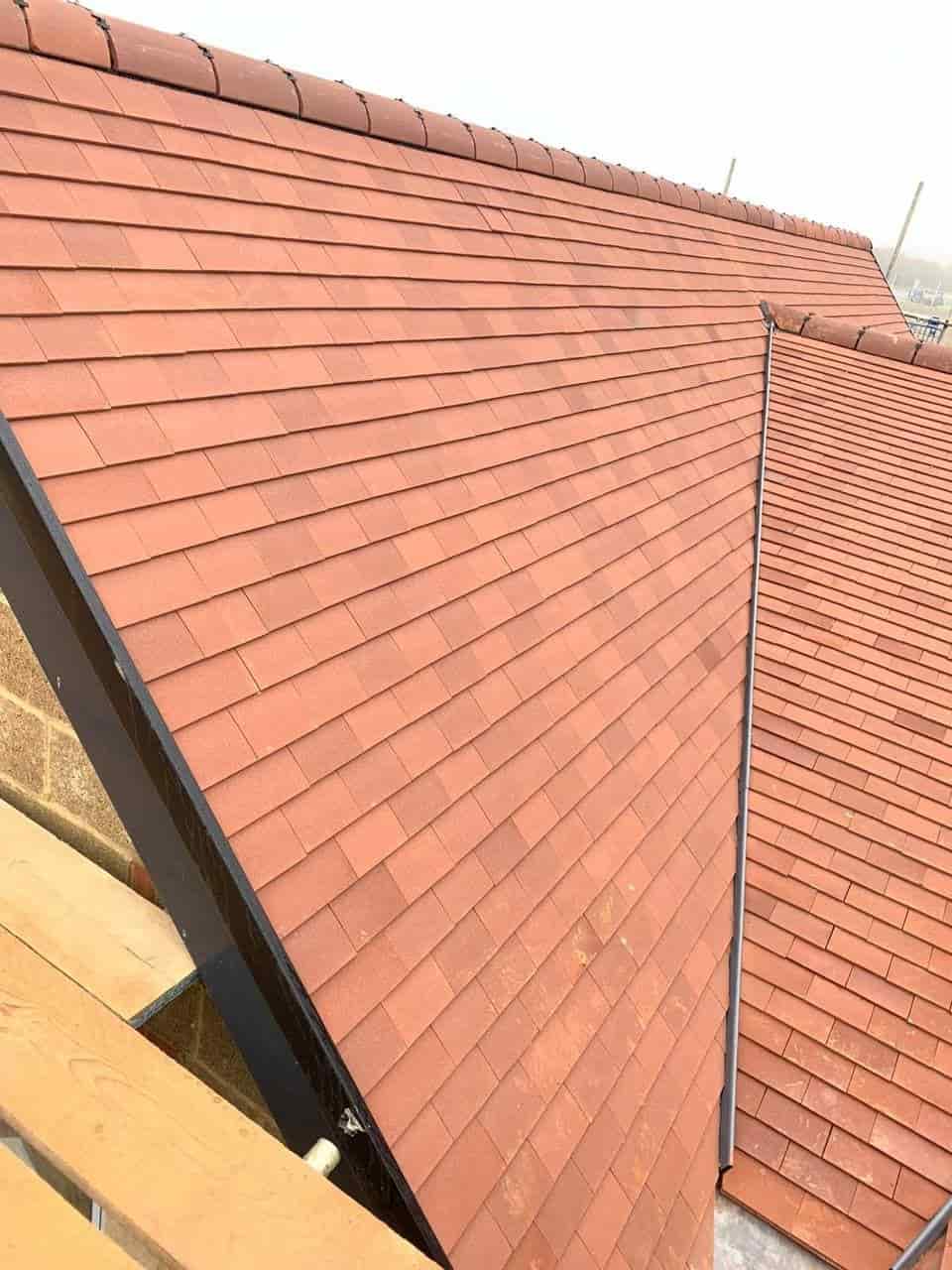
Roofing problems do not always begin with dramatic leaks or widespread damage. In many cases, serious deterioration starts with something relatively minor: a slipped tile, a small flashing defect, a loose ridge tile or a localised area where water has found a route beneath the roof covering. When these problems are identified and repaired promptly, relatively straightforward roofing work can prevent much more extensive damage from developing.
For homeowners in Whitstable, Kent, paying attention to the early condition of a roof is one of the most effective ways to maintain reliable protection. At Whitstable Roofers, we assess roofing defects carefully to identify their cause and carry out appropriate repairs before minor weaknesses have the opportunity to affect larger areas of the roofing system.
Why Small Roof Defects Matter
A roof works as a complete weather-resistant system. Tiles, underlay, battens, flashing, ridges, valleys and other details all contribute to directing water safely away from the property.
When one small component becomes damaged, the rest of the roof may initially continue performing normally. The difficulty is that the affected area can become a point through which wind and moisture begin reaching materials that are not intended to remain exposed.
This is why the size of the visible defect does not always reflect its potential long-term impact.
1. Replacing a Slipped or Missing Tile
One tile can leave a vulnerable opening
A single slipped tile is a good example of a relatively straightforward problem that deserves prompt attention.
When the surrounding roof remains sound, replacing or correctly repositioning the affected tile may be all that is required. Leaving the opening exposed, however, can allow rain to reach the underlay more directly.
Over time, this can increase the likelihood of:
- Moisture penetrating vulnerable areas
- Deterioration beneath the roof covering
- Nearby tiles becoming disturbed
- Water reaching the roof space
Early tile repairs can therefore help protect considerably more than the tile itself.
2. Repairing Small Flashing Defects
Flashing is used around vulnerable roof junctions to prevent water from entering where different surfaces meet.
Small defects around flashing can sometimes allow moisture to penetrate even though the surrounding tiles remain perfectly serviceable.
Problems may develop around areas where flashing has:
- Become loose
- Developed cracks
- Separated from adjoining materials
- Deteriorated with age
Correcting a localised flashing problem early can prevent repeated water penetration from affecting surrounding roofing materials.
3. Addressing Loose Ridge Tiles
The highest parts of a roof receive considerable weather exposure
Ridge tiles sit in a particularly exposed position and should remain secure and weather-resistant.
If a ridge tile becomes loose or surrounding materials deteriorate, the defect can become progressively worse under continued wind and rain.
Prompt attention can prevent:
- Further movement
- Additional ridge deterioration
- Water entering vulnerable areas
- Adjacent sections becoming affected
What begins as a local ridge repair can therefore prevent a larger section from requiring attention later.
4. Repairing Minor Leaks Before Moisture Spreads
A small roof leak can be misleading because the first visible symptom inside the property may appear relatively insignificant.
A faint ceiling mark or small damp patch may indicate that water has already travelled through part of the roofing system.
If the source remains unresolved, repeated moisture penetration can affect:
- Roofing underlay
- Timber components
- Insulation
- Loft areas
- Ceilings and internal finishes
Finding and repairing the source promptly helps limit how far the problem can progress.
5. Correcting Localised Storm Damage
Strong winds can affect individual roof components without causing widespread roof failure.
Following poor weather, there may be:
- One or two displaced tiles
- A damaged ridge section
- Loose flashing
- Localised damage around roof edges
If the rest of the roof remains in good condition, repairing these defects promptly can restore protection before another period of bad weather places further pressure on the damaged area.
6. Dealing With Cracked Roof Tiles
A cracked tile may remain in position, making it less obvious than a completely missing one.
However, cracks can allow moisture to pass through the tile or may eventually cause part of it to break away.
Replacing an individual damaged tile while the surrounding covering remains sound is generally a straightforward form of preventative roof maintenance.
It also provides an opportunity to inspect neighbouring tiles for signs of similar deterioration.
Why Water Ingress Can Become a Much Bigger Issue
Moisture can travel beyond the original defect
One of the reasons early roof repairs are so valuable is that water does not necessarily remain directly beneath the point where it enters.
It can travel along surfaces or roofing components before becoming visible elsewhere.
As a result, delaying attention to a small external defect can eventually lead to symptoms some distance from the original problem.
The most effective repair therefore involves locating the true source of the water rather than simply addressing the internal area where dampness becomes visible.
Small Repairs Can Protect the Underlying Roof
Roof tiles and slates form the visible covering, but important components sit underneath them.
When the outer covering is damaged, materials such as the underlay and battens may experience increased exposure.
Prompt repairs help maintain the protective layers of the roofing system by preventing unnecessary moisture from reaching them.
Preserving these hidden components is particularly important because deterioration beneath the covering can make future roofing work more extensive.
Early Repairs Can Help Prevent Progressive Deterioration
Many roofing defects worsen gradually.
A typical progression might begin with a slightly loose tile. Wind causes further movement, rain reaches the area beneath, neighbouring components become affected and eventually water enters the roof space.
Dealing with the original loose tile interrupts that progression.
This principle applies to many roofing problems: correcting the initial weakness is generally preferable to waiting until several related components require attention.
When Is a Simple Repair Usually Appropriate?
Localised repairs are generally most effective when:
- The defect is confined to a limited area
- The surrounding roofing materials remain sound
- The underlying roof is in serviceable condition
- There is a clear cause for the problem
- Widespread deterioration is not present
A professional inspection can confirm whether this is the case.
When Might a Small Defect Indicate a Wider Problem?
Not every apparently minor problem is genuinely isolated.
For example, one slipped tile on an otherwise healthy roof may simply require repair. Several slipping tiles across different areas may indicate ageing fixings or broader deterioration.
Further investigation may be advisable where there are:
- Multiple damaged tiles
- Recurring leaks
- Numerous previous repairs
- Widespread weathering
- Repeated ridge problems
- Signs of deterioration beneath the roof covering
In these circumstances, repairing the visible defect without considering the wider roof could leave the underlying issue unresolved.
Why Professional Roof Inspection Makes a Difference
Finding the cause is as important as repairing the damage
Effective roof repair involves more than replacing whichever component looks damaged from ground level.
An experienced roofer can assess:
- The immediate defect
- Surrounding roofing materials
- Vulnerable junctions
- Previous repairs
- Evidence of moisture penetration
- Whether the problem is isolated or widespread
This helps ensure the work is proportionate to the actual condition of the roof.
The Value of Preventative Roof Maintenance
Homeowners do not need to wait for water to appear inside the property before giving their roof attention.
Checking the condition of the roof and responding to visible deterioration can help identify problems while they are still manageable.
Signs worth investigating include:
- Slipped or missing tiles
- Broken roofing materials
- Loose ridge tiles
- Damaged flashing
- Changes to the roofline
- Dampness in the loft
- New ceiling marks
Prompt professional attention can help preserve the existing roof and reduce the likelihood of more extensive deterioration.
Professional Roof Repairs in Whitstable
At Whitstable Roofers, we provide professional roofing services for properties throughout Whitstable, Kent. Our approach is based on identifying the underlying cause of roofing problems and carrying out appropriate repairs rather than simply treating visible symptoms.
Where a defect is localised, timely repair can help preserve the surrounding roof and maintain dependable weather protection. If an inspection reveals wider deterioration, we can recommend the level of roofing work genuinely required.
Conclusion
A simple roof repair can prevent a much larger problem when it addresses a defect before moisture, movement or weather exposure affects surrounding components. Missing tiles, damaged flashing, cracked roofing materials, loose ridge tiles and small leaks can often be dealt with effectively when the wider roof remains sound.
The important factor is acting before a minor weakness has time to develop. Early professional assessment can establish whether the problem is genuinely localised and ensure the correct repair is carried out.
If you have noticed a roofing defect at your property in Whitstable, Kent, contact Whitstable Roofers. Our experienced team can inspect the affected area, identify the cause and provide the appropriate repair to help keep your roof secure, weather-resistant and dependable.
Call us on: 01227 203788
Click here to find out more about Whitstable Roofers
Click here to complete our contact form and see how we can help with your roofing needs.